Research on Property of Herbert M. Gutmann
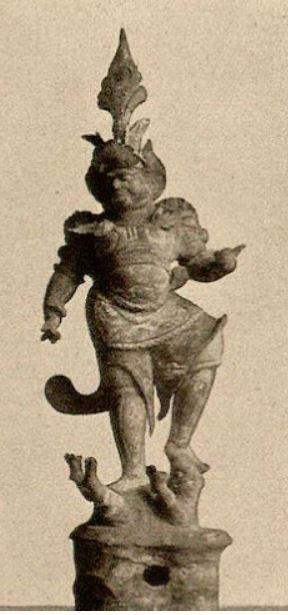
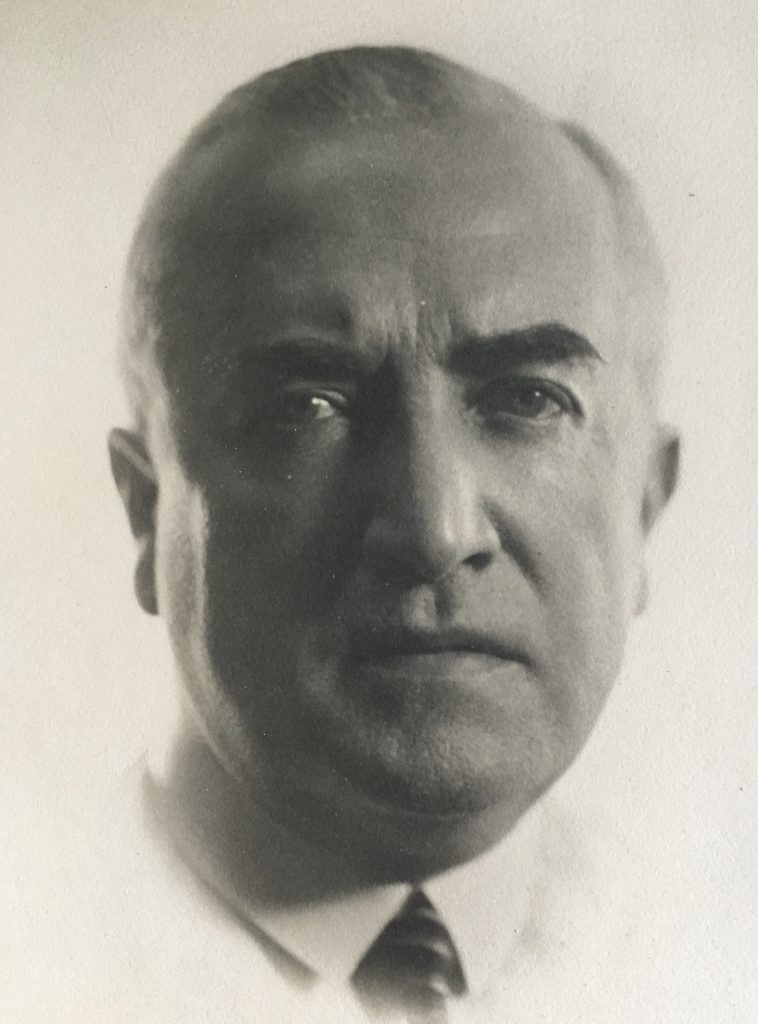
Herbert Max Magnus Gutmann (1879-1942) was born in Dresden, Germany. In 1872 his father Eugen was one of the founders of the Dresdner Bank. Herbert was a member of the board of managers of the Dresdner Bank AG and head of the board of the Deutsche Orientbank AG. The Dresdner Bank named him as its representative on over thirty advisory boards of both German and foreign companies. As an art connoisseur he was collecting objects from the Rococo period, Islamic Art, East Asian objects and porcelain.
After the Nazis came to power in Germany on January 30, 1933, life for Gutmann and his family changed forever. Their Jewish origins and his political activity during the days of the democratic Weimar Republic brought him to the attention of the Nazis. As the Dresdner Bank was under Reich’s control, the Nazis exerted influence on the management of the bank as early as March 1933.
Gutmann had to relinquish his place on several advisory boards of companies connected to the Dresdner Bank. The German State also cancelled all the contracts he had secured through the bank and, furthermore, the Dresdner Bank went to claim that Gutmann also owed them thousands of Reichmarks in unsubstantiated debts.
For this reason, he was forced to auction his art collection at the auction house Paul Graupe in Berlin and sell other property as well.
Among the property were securities, stocks, bonds and shares of companies as the Berlinische Bodengesellschaft AG, Auskunftei Schimmelpfeng GmbH and Bayerische Motorenwerke AG.
More on the Gutmann Family here:
Biography Eugen Gutmann (1840-1925): Veit Damm, Gutmann, Eugen, in:
Sächsische Biografie, hrsg. vom Institut für Sächsische Geschichte und Volkskunde e.V.
Online-Ausgabe: http://www.isgv.de/saebi/ (30.12.2019)
Website der Eugen-Gutmann-Gesellschaft http://www.eugen-gutmann-gesellschaft.de/?page_id=37
Sebastian Panwitz: Rezension zu: Rheinheimer, Vivian J. (Hrsg.): Herbert M. Gutmann. Bankier in Berlin. Bauherr in Potsdam. Kunstsammler. Leipzig 2007. ISBN 978-3-7338-0351-3 , in: H-Soz-Kult, 20.12.2007.
More on the History of Dresdner Bank here:
https://www.ifz-muenchen.de/heftarchiv/1999_2_2_ziegler.pdf
Henke, Klaus-Dietmar (Hrsg.): Die Dresdner Bank im Dritten Reich. 4 Bände. München 2006. ISBN 3-486-57780-8
More on the History of Deutsche Orientbank AG:
Wolfgang G. Schwanitz: “Wir speisen im Adlon.” Herbert M. Gutmann und die deutsche Orientbank. In: Ulrich van der Heyden u. a. (Hrsg.): „… Macht und Anteil an der Weltwirtschaft“. Berlin und der deutsche Kolonialismus. Unrast Verlag, Münster 2005, S. 81–86. http://www.trafoberlin.de/pdf-dateien/Herbert%20M%20Gutmann.pdf
Klaus Jaschinski: Rezension zu: Schwanitz, Wolfgang G.: Gold, Bankiers und Diplomaten. Zur Geschichte der Deutschen Orientbank 1906-1946. Berlin 2002. ISBN 3-89626-288-2 , in: H-Soz-Kult, 03.04.2004.
Contact

Beate Schreiber
FaCTS & FILES
P: +49 (0)30 / 480 986 20
schreiber@factsandfiles.com