
Provenance Research on the Art Collection of Herbert M. Gutmann
Herbert M. Gutmann (1879-1942) collected paintings, porcelain, tapestries, and antiques. Mr. Gutmann was a collector of Dutch landscape as well as French and German Rococo paintings. He was particularly interested in Asian objects and art.
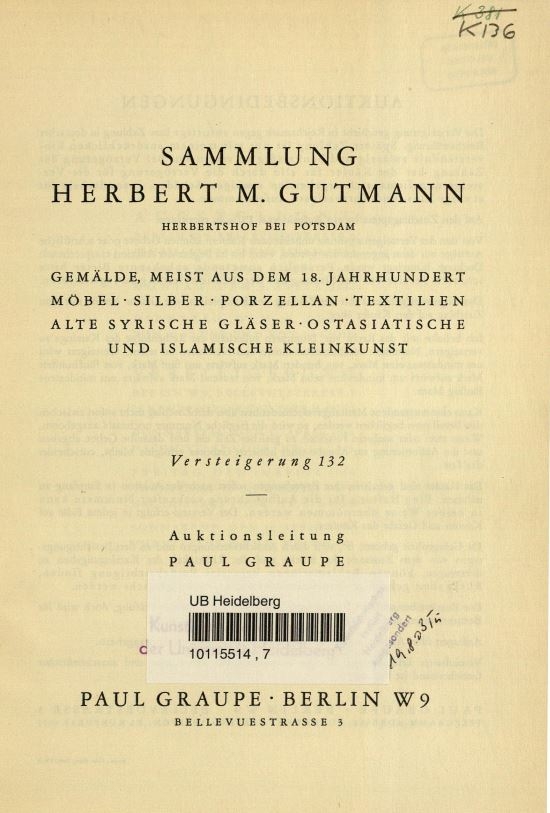
His mansion in Potsdam, Herbertshof, was designed to exhibit his collection. Several photographs taken at Herbertshof around 1930 and the catalogue of the auction at Paul Graupe give us an idea of his art holdings in 1934. The collection reflected his varied business and cultural interests. It was a very personal collection showing the strong relation of the family to the city of Dresden and the kingdom of Saxony. For instance, Pietro Rotari’s famous varie teste were attractions at the Russian and Saxon courts. Purchased from the Saxon Royal collection, Gutmann’s Rotari portraits were painted for the decoration of Schloss Pillnitz.
Herbert M. Gutmann was fascinated by Oriental culture, by Persian, Arab, and Ottoman ceramics, as well as Chinese porcelain. He was adviser for the Department of Islamic Arts at the Kaiser-Wilhelm-Museum in Berlin and had donated some pieces to that museum.
A special gallery was added to his mansion to exhibit the “Arabicum,” a Syrian Boiserie dating back to the eighteenth century. In addition, Herbert M. Gutmann collected Scottish and English portraits.
After the National Socialists assumed power in Germany in 1933, Gutmann was persecuted due to his Jewish decent and his political position in the Weimar Era. Herbert M. Gutmann lost memberships of advisory boards and also income, was forced to sell shares of companies and was limited to work in Germany.
For this reason, he was forced to auction his art collection at the auction house Paul Graupe in Berlin.
Facts & Files is commissioned by the family of Herbert M. Gutmann to conduct research on the provenance and whereabouts of works of art from the collection of Herbert M. Gutmann.
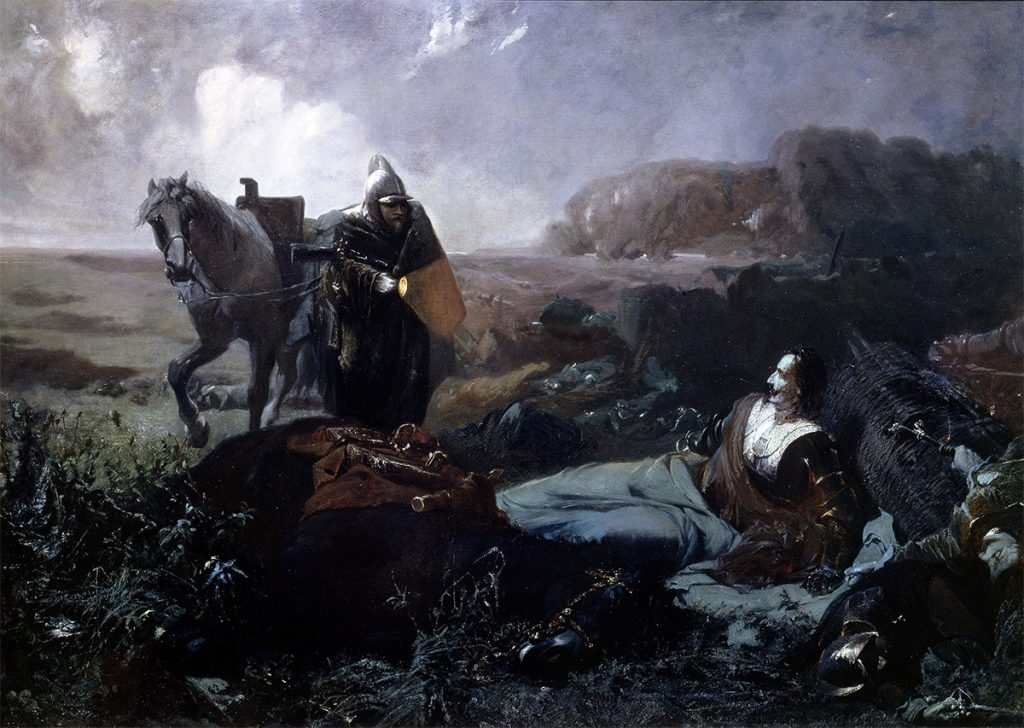
On March 31, 2009, the Vienna Museum returned the painting “The Death of Pappenheim” by the celebrated Austrian artist Hans Makart, to the grandchildren of Herbert M. Gutmann. The decision to restitute the painting was reached unanimously by Vienna’s municipal council on June 25, 2008.
In 2010, the German parliament, the Deutsche Bundestag restituted a painting by Franz von Lenbach with the portrait of Bismarck to the family of Herbert Gutmann.
2019 the Dutch Advisory Committee on the Assessment of Restitution Applications for Items of Cultural Value and the Second World War recommended the restitution of 14 Meissen porcelain objects to the Gutmann family.
Contact

Beate Schreiber
FaCTS & FILES
P: +49 (0)30 / 480 986 20
schreiber@factsandfiles.com
Links

Research Project on non-European objects of the Gutmann collection
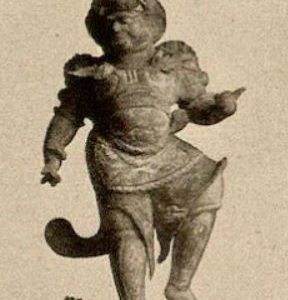
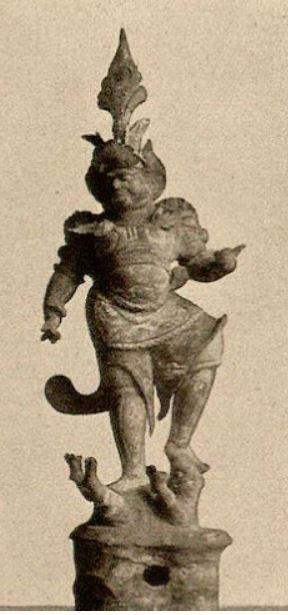
The project began on February 1, 2023 and was completed on January 31, 2024. It was funded by the German Lost Art Foundation. The project examined objects of non-European origin, primarily East Asian objects as well as objects from Persia, Syria, the Caucasus, Turkey and Turkestan. In addition to Chinese porcelain, the Gutmann Collection included scroll paintings, Chinese bronzes, stoneware, clay objects, wooden wall panels from Japan, Japanese Imari porcelain, Turkish textiles, Persian jugs and Ray and Minai bowls. Sources from institutions that either hold objects from Gutmann’s collection today, that were involved in exhibitions, to which Gutmann had lent objects or from which these objects were acquired were primarily evaluated. At the same time, the records of institutions where research on non-European objects was conducted between 1920 and 1950 were analyzed. This research approach thus focused on sources that were created chronologically and thematically in the context of the acquisition or affiliation of non-European objects from the Gutmann Collection, for example the correspondence relating to the exhibitions in Berlin in 1929 and in London in 1931, to which Herbert M. Gutmann lent objects. In addition, information was researched on the purchasers of objects from Gutmann’s collection who were already known before the project began, such as Carl Hugo Cords, Gustav Pilster and C.L. David.
Publication
July 2, 2024: Article on “Retour” (https://retour.hypotheses.org/3950) about sources evaluated in the project.
THE PROJECT IN THE MEDIA
RBB “Kontraste” 12. November 2009 21:45 Uhr Raubkunst im Bundestag – Hinterbliebene erhalten Bild zurück
Documentary "Roofkunst & Restitutie"
The art collection of Herbert M. Gutmann was featured in a documentary produced by the Dutch Restitution Committee. The film is online here https://youtu.be/xgMMykOlRsU